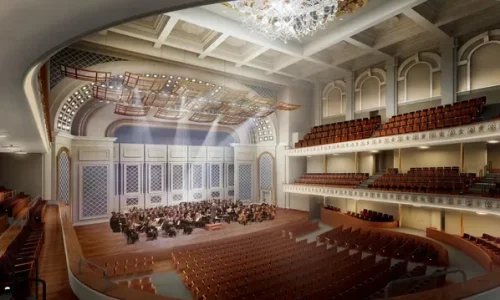
Architectural Acoustics
The study of how sound interacts with the built environment. It involves the design and arrangement of buildings and other physical structures to control and enhance the way sound is transmitted, reflected, absorbed, and diffused within a space. The goal of architectural acoustics is to create environments that optimize the quality of sound for the specific activities intended in a given space.
Acoustic Design Consultation
Our experts assess the client’s needs and the intended use of the space to establish specific acoustic goals. This process often includes a site visit to evaluate existing conditions and identify potential acoustic challenges.
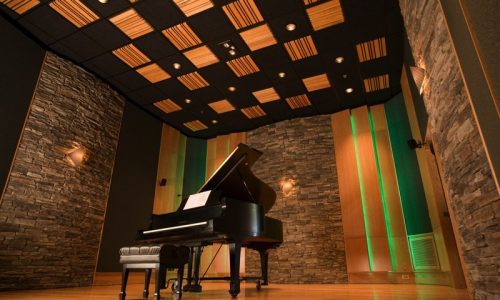
Noise Impact Assessment
Our experts evaluate and mitigate the impact of external noise sources on the building or space, using computer simulations to predict acoustic performance and generate detailed noise contour maps.
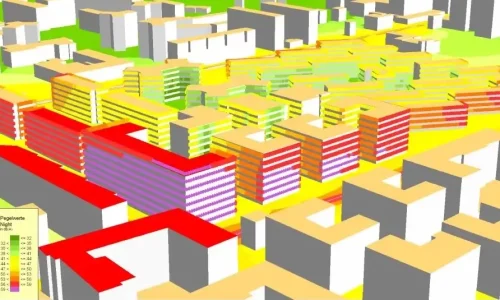
Room Acoustics Design
We develop and implement strategies to achieve the desired reverberation time based on the space’s intended function, recommending suitable materials for walls, ceilings, and floors to control sound absorption, diffusion, and reflection
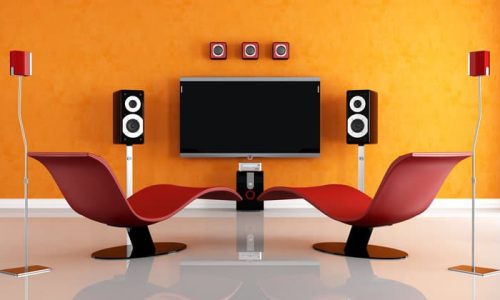
Sound Isolation and Noise Control
We implement measures to minimize sound transmission between rooms or spaces by integrating specialized materials and construction techniques that also reduce the impact of external noise.

Office and Commercial Spaces
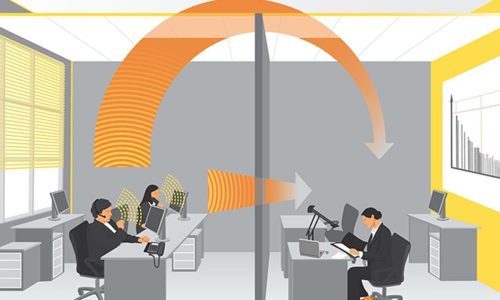
Open Office Acoustics: Design solutions to address the acoustic challenges of open-plan offices, including speech privacy and reduced distractions.
Conference Room Acoustics: Optimize conference room acoustics for clear communication during meetings and presentations.
Healthcare Facility Acoustics
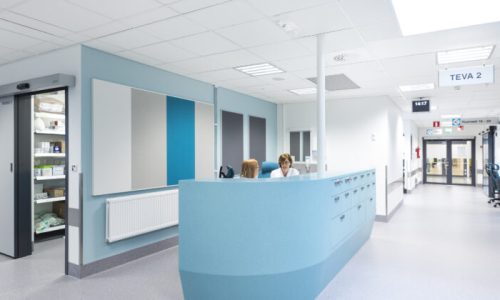
Patient Rooms: Design acoustics in patient rooms to provide a quiet and healing environment.
Speech Privacy: Implement measures to ensure confidential conversations are not overheard.
Compliance and Certification
Building Code Compliance: Ensure that the acoustic design adheres to relevant building codes and standards.
LEED Certification: Contribute to sustainable building practices by incorporating acoustical solutions that align with Leadership in Energy and Environmental Design (LEED) criteria.

Renovation and Retrofitting
Assessment of Existing Conditions: Evaluate the acoustic performance of existing spaces and recommend improvements.
Historical Preservation: Balance acoustic enhancements with the preservation of historical architectural features.